
Emergency Water Damage Restoration in Seattle


Emergency Water Damage Restoration in Seattle
Rapid intervention is essential when water damage occurs due to burst pipes, storm leaks, sewage backups, or appliance overflows. Water can infiltrate flooring, drywall, insulation, cabinetry, and structural framing within minutes, often causing hidden saturation that is not immediately visible. Addressing these issues promptly helps prevent extensive damage and costly repairs.
Our team at Robinhood Restoration delivers swift emergency water damage restoration services throughout Seattle, WA. Using advanced water extraction equipment, moisture-detection tools, and drying systems, we quickly stabilize affected areas to minimize further damage. Our comprehensive approach includes moisture identification, humidity control, damage documentation, and restoration planning to ensure safe indoor environments. For immediate assistance, contact us at (206) 309-2455.
60-Minute Emergency Response Across Greater Seattle
A timely response is critical in mitigating water damage. Delays can allow moisture to penetrate subflooring, wall cavities, insulation, electrical systems, and personal belongings, escalating repair costs and secondary damage risks. We prioritize rapid dispatch to limit these impacts and protect your property effectively.
Robinhood Restoration serves residential and commercial clients across Seattle neighborhoods, including Ballard, Queen Anne, Capitol Hill, West Seattle, Beacon Hill, and the surrounding Greater Seattle areas. Whether dealing with plumbing failures, sewage intrusion, roof leaks, or flooding, our team initiates immediate stabilization and develops a clear mitigation strategy tailored to each emergency.
24/7 Live Dispatch & Same-Day Emergency Arrival
Water emergencies can occur at any time, including nights, weekends, and during severe weather. Our live dispatch system ensures urgent restoration calls are handled promptly. When contacted, we collect detailed information about the water source, affected areas, visible damage, and safety concerns to prepare our technicians for efficient on-site response.
Same-day arrival is crucial to protect flooring, walls, contents, and business operations from further damage. We also provide 24 hour emergency fire and water damage restoration services, addressing suppression water, smoke cleanup, storm damage, and complex emergencies. For immediate service, call (206) 309-2455 to request emergency water damage restoration in Seattle, WA.
| Emergency Situation | Recommended Response Time | Primary Restoration Goal |
|---|---|---|
| Burst pipe flooding | Within 60 minutes | Stop active water spread |
| Sewage backup | Immediate dispatch | Contamination control |
| Roof leak intrusion | Same-day response | Structural drying |
| Basement flooding | Emergency extraction | Mold prevention |
| Commercial water loss | Priority response | Business continuity |
Common Causes of Emergency Water Damage in Seattle
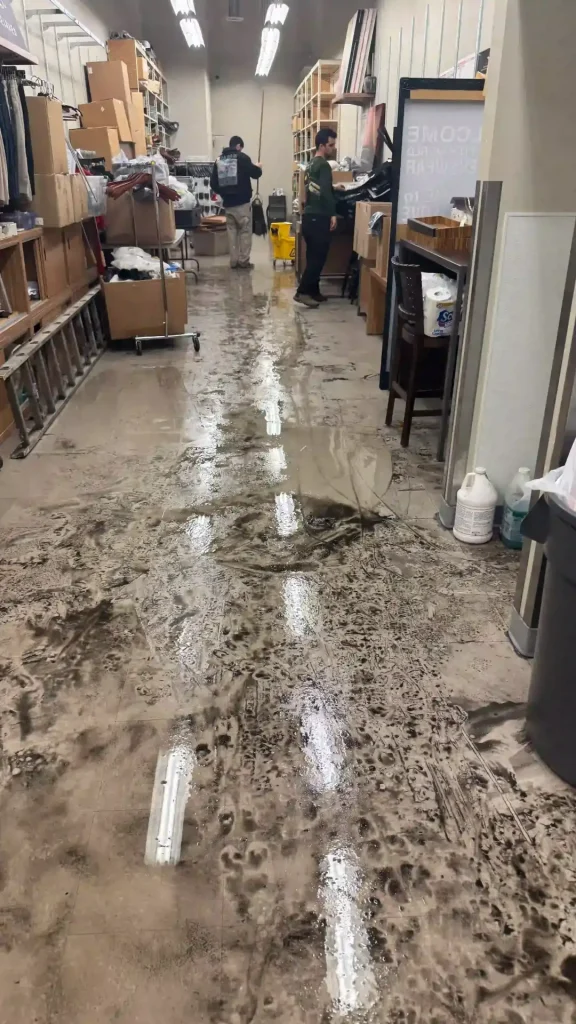
Water damage emergencies in Seattle often stem from seasonal rainfall, aging plumbing, roof leaks, appliance malfunctions, and drainage failures. Each source requires a specific response to effectively address the resulting moisture and prevent further deterioration.
Our team identifies the intrusion source, assesses affected materials, evaluates contamination risks, and develops a restoration plan tailored to the damage type and severity. This ensures cleanup, drying, and repairs are conducted safely and efficiently using appropriate equipment and protocols.
Burst Pipes, Appliance Failures & Plumbing Emergencies
Burst pipes, leaking water heaters, broken supply lines, washing machine hose failures, dishwasher overflows, and toilet leaks can release water rapidly, saturating surrounding materials before damage becomes apparent. Prompt source control and water extraction are essential to minimize deterioration.
Robinhood Restoration technicians inspect the flooring, drywall, baseboards, cabinetry, and adjacent rooms to determine the extent of moisture spread. We deploy specialized drying equipment to halt the progression of damage and restore affected areas effectively.
Seattle Storm Flooding, Roof Leaks & Heavy Rainfall Events
Storm-related water intrusion can impact attics, ceilings, crawl spaces, basements, and lower-level rooms. Water may enter through roof openings, damaged flashing, clogged drains, foundation gaps, or exterior envelope vulnerabilities, leading to hidden moisture issues. Our emergency restoration services include thorough inspections, moisture detection, drying system setup, and damage prevention measures. These steps help safeguard properties from further harm before reconstruction or repairs commence.
Sewage Backups, Sump Pump Failures & Basement Flooding
Sewage backups and sump pump failures pose significant health risks due to contamination. Basement flooding can damage stored items, mechanical systems, flooring, walls, and foundation-adjacent areas, necessitating immediate professional intervention. We follow stringent cleanup, removal, disinfection, and drying protocols to manage hazardous water events safely. Property owners seeking emergency water damage restoration near me after sewage backups can depend on our expertise for effective mitigation and protection.
Warning Signs of Emergency Water Damage
Visible water damage is not always present; hidden moisture can persist behind walls, under floors, or within insulation. Early detection is vital to prevent escalating repair needs and mold growth.
Signs indicating hidden moisture include:
- Water stains on ceilings or walls
- Bubbling paint or warped flooring
- Musty odors or damp indoor air
- Sudden increases in utility bills
- Visible mold growth near wet materials
- Standing water in basements or crawl spaces
- Dripping sounds behind walls
What To Do Before Our Emergency Water Damage Team Arrives
Safety is paramount before our technicians arrive. If it is safe, shut off the water source to prevent further flooding. Avoid entering areas with standing water near electrical outlets, appliances, or sewage to reduce the risk of injury or contamination.
Our team can provide guidance by phone while en route. Providing details about the water source, affected rooms, water depth, and safety concerns helps us prepare for efficient mitigation upon arrival.
Our Emergency Water Damage Restoration Process
Effective emergency restoration follows a structured process addressing visible water, hidden moisture, sanitation, and repair planning. Our approach stabilizes properties and facilitates safe recovery tailored to each unique water loss. Technicians customize plans based on affected materials, water category, saturation depth, building layout, and property use. This ensures comprehensive support for both residential and commercial clients with practical, organized solutions.
Step 1: Emergency Dispatch & On-Site Assessment
Our process begins with rapid dispatch and a thorough on-site inspection. Technicians identify the water source, affected areas, saturation patterns, material damage, and contamination risks to develop an effective mitigation plan. Advanced moisture meters and thermal imaging detect hidden dampness, enabling precise drying strategies and reducing the risk of moisture being overlooked in walls, flooring, and structural components.
Step 2: Immediate Water Extraction & Source Containment
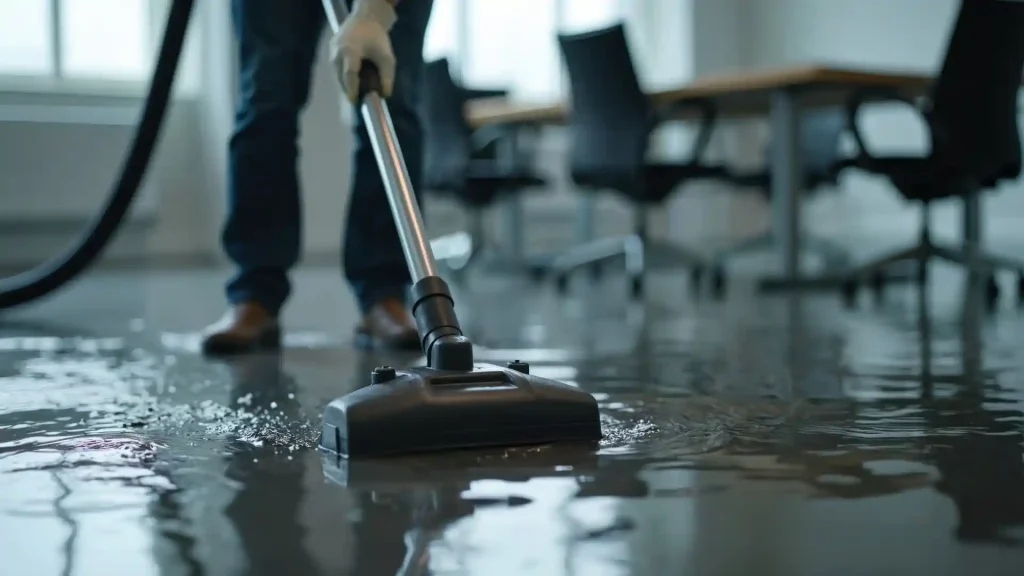
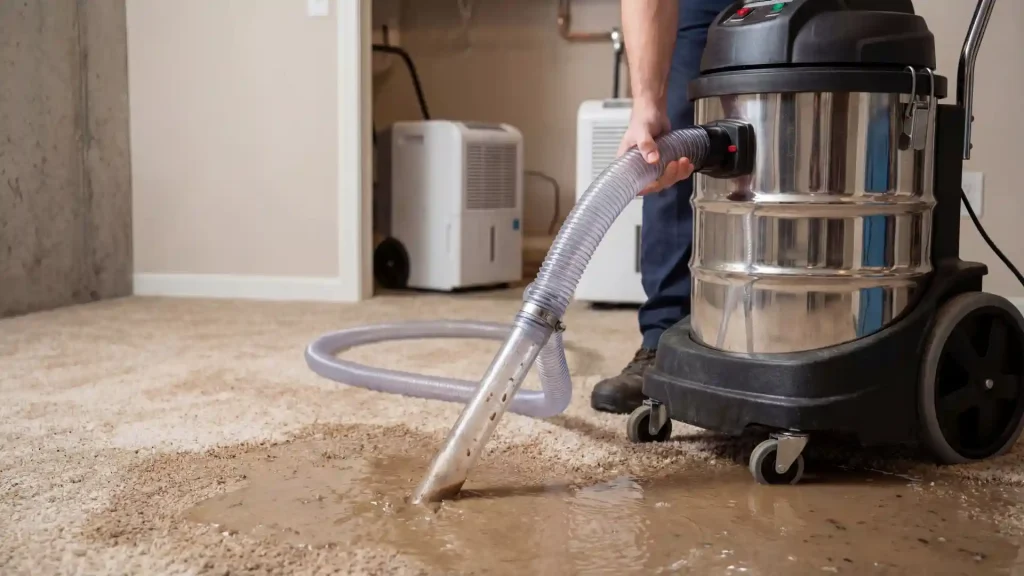
Removing standing water promptly is critical to limit further damage. We utilize professional extraction equipment to remove water from floors, carpets, basements, crawl spaces, and other affected areas efficiently. Following extraction, technicians contain or isolate the water source when possible, such as stopping plumbing leaks or controlling sewage spread, to prevent additional moisture migration and protect unaffected areas.
| Extraction Method | Purpose | Restoration Benefit |
|---|---|---|
| Truck-mounted extraction | Rapid water removal | Faster stabilization |
| Portable extraction systems | Tight-space access | Reduced material damage |
| Containment barriers | Prevent spread | Controlled mitigation |
| Subfloor drying systems | Remove trapped moisture | Structural protection |
Step 3: Structural Drying, Dehumidification & Moisture Monitoring
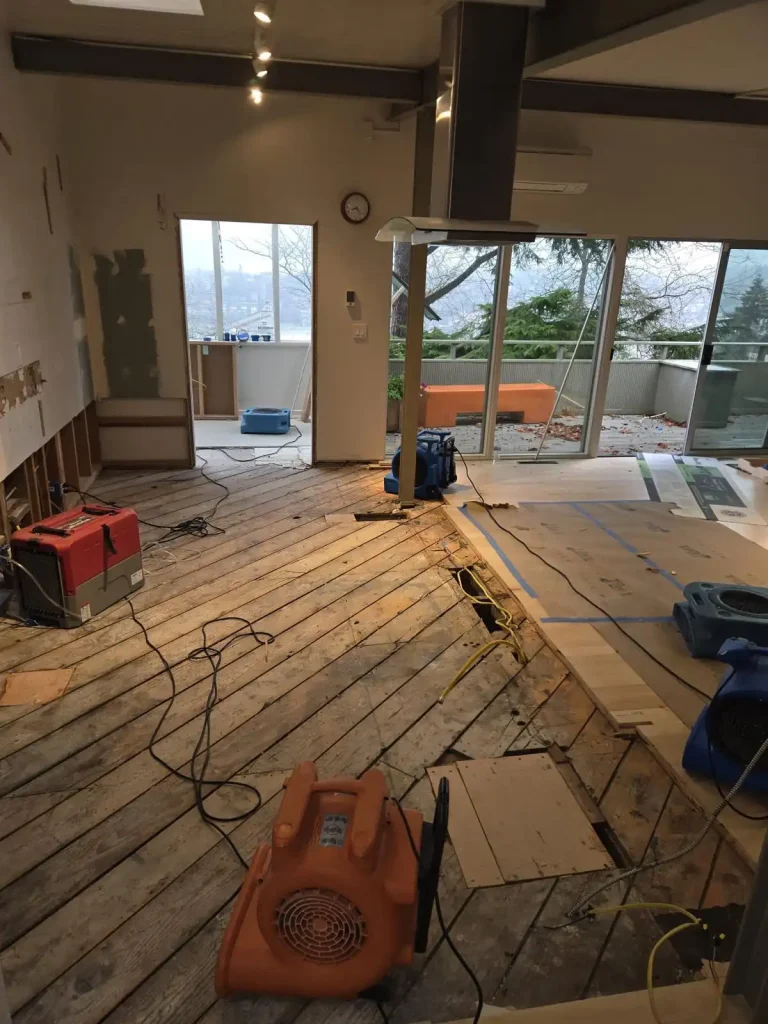
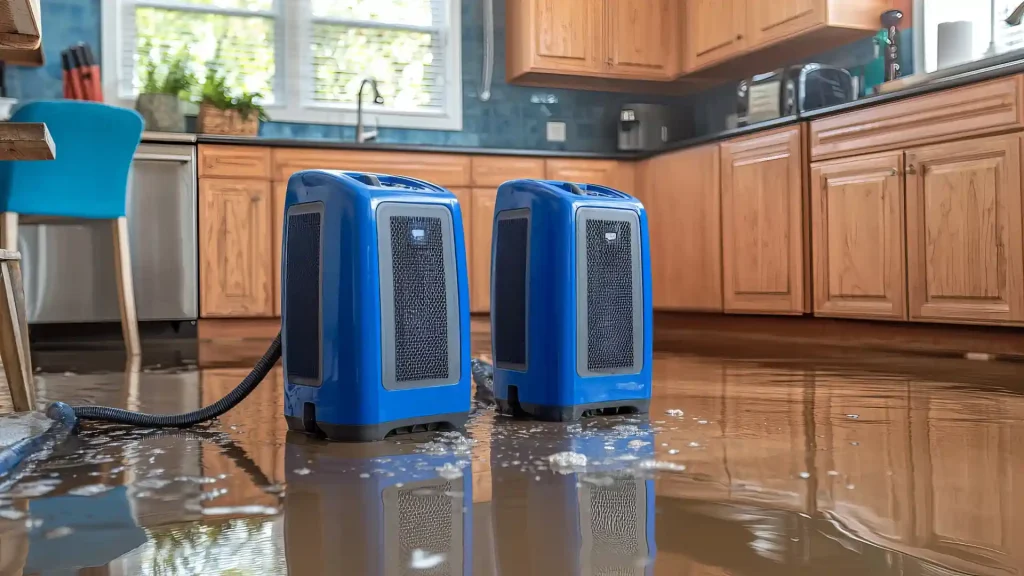
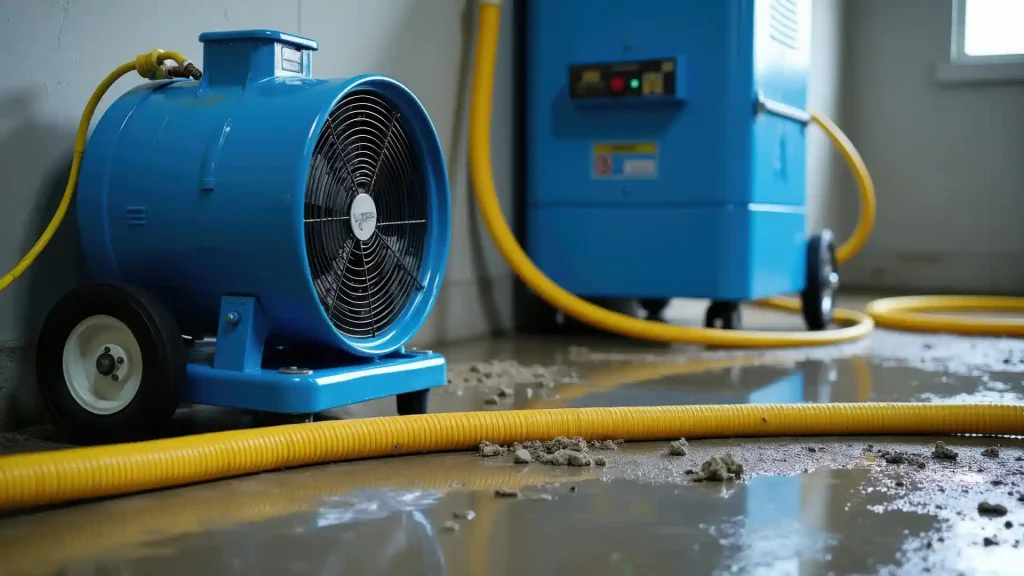
After water extraction, drying equipment is deployed to eliminate residual moisture. Air movers enhance evaporation, while commercial dehumidifiers regulate indoor humidity and extract moisture from affected spaces. Continuous moisture monitoring throughout the project verifies drying progress and informs necessary adjustments, ensuring materials reach appropriate dryness levels before repairs commence.
Step 4: Sanitization, Odor Removal & Mold Prevention
Water intrusion can introduce odors, bacteria, and microbial contaminants, especially from sewage, stormwater, or prolonged dampness. Sanitization restores healthier indoor conditions and mitigates health risks. Our team applies antimicrobial treatments, cleaning protocols, odor control techniques, and air filtration as needed. These measures reduce contamination and support safe reoccupancy following emergency restoration.
Step 5: Structural Repairs & Full Property Restoration
Once drying and mitigation are complete, damaged materials such as drywall, insulation, flooring, trim, paint, and cabinetry are repaired or replaced. This phase restores the property to its pre-loss condition. We coordinate the entire recovery process to streamline communication and workmanship, reduce the burden on property owners, and ensure a smooth transition from emergency response to full restoration.
Water Categories We Evaluate During Emergency Restoration
The water category significantly influences cleanup methods, safety protocols, material handling, and sanitation requirements. Clean water from supply lines differs greatly from contaminated sewage or floodwater, necessitating distinct restoration approaches. Our team assesses the water category during initial inspections to tailor restoration plans accordingly. This evaluation protects occupants, workers, and property throughout the emergency water restoration process.
| Water Category | Common Source | Restoration Concern |
|---|---|---|
| Category 1 | Broken supply line or clean water overflow | Fast drying may help preserve more materials |
| Category 2 | Appliance discharge or toilet overflow without waste | Sanitation and material review are required |
| Category 3 | Sewage backup or floodwater | Containment, removal, disinfection, and safety controls are needed |
Why Fast Emergency Response Prevents Mold Growth
Mold growth accelerates when moisture persists in porous materials such as drywall, insulation, carpet padding, wood framing, and subflooring. Delayed drying creates an environment conducive to microbial proliferation, increasing health risks and repair costs. Prompt emergency water damage restoration reduces mold risk by extracting water, lowering indoor humidity, and continuously monitoring moisture levels. Our early intervention approach prevents hidden dampness from causing long-term structural and health issues.
How Our Emergency Drying Process Stops Mold Before It Starts
Our drying process employs targeted airflow, humidity control, and precise moisture measurements to ensure thorough drying of affected structures. Technicians adjust drying strategies based on real-time data rather than estimations, enhancing effectiveness. This method minimizes the likelihood of trapped moisture within building materials, providing a robust defense against mold development. Professional drying offers superior protection compared to surface-level cleanup alone.
| Timeline | Restoration Action | Mold Prevention Benefit |
|---|---|---|
| First 24 hours | Water extraction begins | Limits saturation |
| 24 to 48 hours | Structural drying deployed | Reduces microbial risk |
| 48 to 72 hours | Moisture monitoring continues | Confirms drying progress |
| Final stage | Sanitization completed | Improves indoor safety |
Why DIY Drying Is Not Enough After Emergency Water Damage
Common household tools such as towels, mops, box fans, and small dehumidifiers may remove surface moisture but cannot effectively dry out wall cavities, subflooring, insulation, or framing. Water trapped in these areas can lead to odors, swelling, mold, and structural damage.
Professional emergency water extraction and moisture monitoring identify hidden saturation and ensure thorough drying. Our commercial-grade drying systems and inspection tools restore affected areas comprehensively, while also addressing safety concerns related to contaminated water sources.
Advanced Emergency Water Damage Equipment We Deploy
Successful restoration relies on specialized equipment capable of detecting hidden moisture and efficiently drying materials. Residential fans and basic dehumidifiers are insufficient for significant water losses or saturated building systems. Robinhood Restoration employs professional-grade tools to enhance drying accuracy and restoration outcomes. These include moisture meters, thermal imaging cameras, industrial dehumidifiers, and extraction systems that enable precise moisture detection, water removal, humidity control, and drying verification.
Thermal Imaging & Moisture Meters for Hidden Damage Detection
Thermal imaging cameras detect temperature variations that indicate hidden moisture behind drywall, under flooring, around trim, or withininsulation. Moisture meters provide quantitative saturation levels in specific materials, supporting informed restoration decisions. These technologies improve accuracy during emergency restoration, assist with insurance documentation, maintain drying logs, and verify dryness before reconstruction, ensuring a thorough and transparent process.
Water Damage Restoration Services in Seattle
Secure Your Home’s Foundation
Residential Emergency Water Damage Restoration in Seattle
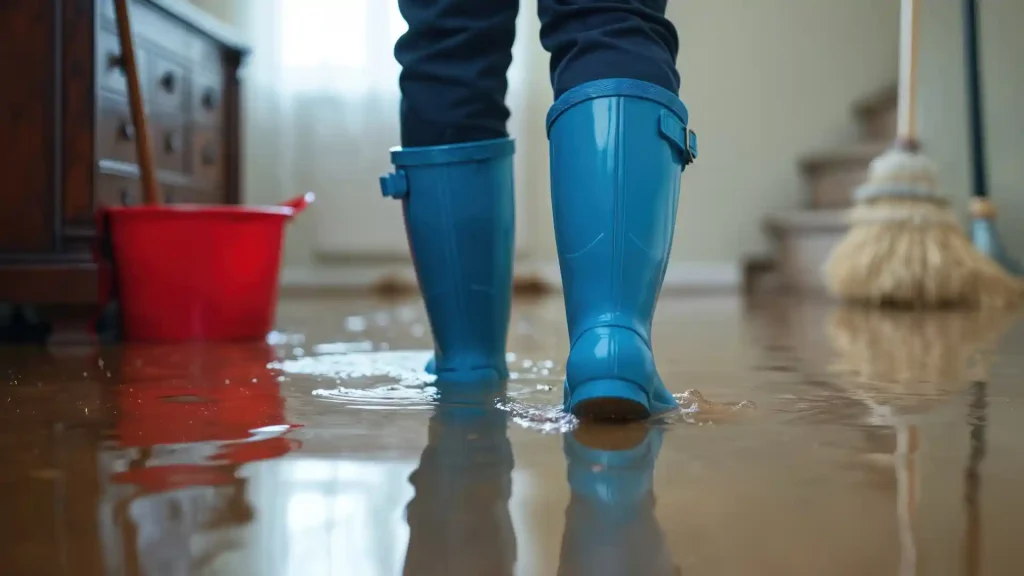
Water damage in homes disrupts daily life and threatens flooring, drywall, electrical systems, furniture, and personal belongings. Rapid restoration protects the structure and alleviates stress for affected families. Our residential emergency restoration services address burst pipes, roof leaks, appliance failures, basement flooding, sewage backups, and storm-related water intrusion. We respond promptly with tailored solutions designed for Seattle homes.
Emergency Response for Seattle Home Flooding & Pipe Bursts
Home flooding demands immediate coordination, thorough inspection, and efficient drying. Our technicians assess the water source, affected rooms, the spread of moisture, and safety conditions before initiating extraction and deploying equipment. Homeowners seeking emergency water damage restoration near me receive dependable support protecting flooring, cabinetry, baseboards, drywall, and belongings. We maintain clear communication from initial contact through final recovery.
Commercial Emergency Water Damage Restoration in Seattle
Water damage in commercial properties disrupts operations, limits customer access, damages inventory, and creates safety hazards. Prompt mitigation reduces downtime and facilitates organized recovery. We provide commercial emergency restoration for offices, retail spaces, restaurants, apartment buildings, warehouses, and other facilities. Our crews coordinate extraction, drying, documentation, and repair planning with business owners and property managers to minimize operational impact.
Minimizing Business Downtime With Rapid Emergency Response
Water damage can lead to costly business interruptions if not addressed swiftly. Our team stabilizes affected areas, controls the spread of moisture, and implements drying plans to support continuity whenever possible. Commercial clients can request Emergency Water Damage Restoration Seattle services for urgent plumbing failures, flooding, roof leaks, and water intrusion. Contact (206) 309-2455 to dispatch a rapid-response mitigation team.
Contents Protection & Insurance Assistance
Water intrusion affects furniture, electronics, documents, merchandise, equipment, and personal belongings. Protecting contents reduces avoidable losses and streamlines restoration. We document affected items, safeguard salvageable belongings, and advise property owners on drying, cleaning, disposal, or repair needs. Our documentation also supports communication with insurance providers to facilitate claims.
Emergency Water Damage Documentation for Insurance Claims
Accurate documentation helps property owners demonstrate the extent of damage to insurance companies. We record affected areas, material conditions, moisture readings, drying equipment usage, and restoration steps throughout the project.
This transparency supports an organized claims process. While coverage depends on policy terms and loss causes, detailed records simplify emergency restoration management.
- Sanitization records
- Moisture mapping reports
- Water category classification
- Damage photographs
- Drying equipment logs
- Structural condition assessments
- Repair recommendations
Seattle’s Trusted Emergency Water Damage Restoration Specialists
Experience and expertise are critical during emergencies to prevent hidden moisture and delays in recovery. Robinhood Restoration combines rapid response, professional equipment, skilled technicians, and practical restoration planning to protect homes and businesses effectively.
Our services include emergency water damage restoration, water extraction, sanitation, drying, mold prevention, and full property restoration. Property owners in Seattle, WA rely on our local team for responsive service and transparent communication.
IICRC-Certified Technicians & Licensed Seattle Contractors
Quality restoration depends on trained professionals using industry-standard methods. Our technicians follow IICRC-aligned protocols for inspection, extraction, drying, monitoring, and contamination control to ensure thorough and safe restoration. As licensed and insured contractors, we uphold accountability and care throughout the restoration process, focusing on restoring safe conditions and preventing long-term damage.
Locally Owned & Trusted Across Greater Seattle for 20+ Years
With over two decades of experience, Robinhood Restoration has supported homeowners, business owners, and property managers in recovering from sudden water damage emergencies. Our expertise covers burst pipes, basement flooding, sewage cleanup, storm leaks, appliance overflows, and comprehensive restoration. Clients value our dependable response, honest communication, and efficient service during stressful situations. Whether damage affects a single room or an entire commercial space, our team delivers professional restoration solutions.
Call Our Seattle Emergency Water Damage Team Now
Water damage can escalate rapidly when standing water or hidden moisture remains untreated. Immediate action reduces repair costs, protects building materials, lowers mold risk, and shortens recovery time. Robinhood Restoration offers emergency water damage restoration for homes and businesses throughout Seattle, WA. For prompt, reliable service, contact (206) 309-2455 to dispatch our emergency water damage restoration team.
For urgent flooding, sewage intrusion, pipe bursts, roof leaks, or storm damage, choose Robinhood Restoration for Emergency Water Damage Restoration Seattle services backed by local expertise, professional equipment, and 24/7 availability.