Water Mitigation in Seattle
Water Mitigation in Seattle
Rapid response is essential when addressing water damage caused by flooding, burst pipes, sewage backups, or appliance leaks in Seattle properties. Water can quickly infiltrate drywall, insulation, flooring, and framing, leading to concealed damage that becomes increasingly difficult and costly to repair if moisture is not promptly managed. Effective mitigation water damage minimizes these risks by halting water intrusion and initiating drying processes immediately.
Our team at Robinhood Restoration brings over 20 years of restoration expertise and employs licensed, insured technicians equipped with commercial-grade drying technology. We specialize in stabilizing affected residential and commercial properties throughout Seattle, reducing mold development risks, and facilitating faster recovery. Contact us at (206) 309-2455 for emergency water mitigation services or to schedule professional support.
24/7 Emergency Water Mitigation in Seattle, WA
Emergency water damage requires swift intervention to prevent saturation of walls, flooring, insulation, cabinets, and structural components. Professional emergency water mitigation prioritizes water extraction, moisture control, source containment, and thorough drying to prevent further deterioration and costly repairs.
Robinhood Restoration responds promptly to water emergencies in both residential and commercial settings, utilizing industry-standard mitigation techniques. Whether the damage results from storm flooding, sewage overflow, pipe bursts, or appliance leaks, our rapid mitigation efforts protect the building’s integrity and reduce long-term restoration expenses.
Same-Day Emergency Response & Rapid Mitigation Dispatch
Timely response is critical in minimizing water damage and associated costs. Robinhood Restoration dispatches water mitigation specialists immediately to assess the affected area, halt active water intrusion, and commence extraction and drying operations. Early deployment of drying equipment significantly increases the likelihood of preserving flooring, drywall, trim, and framing materials.
Property owners searching for “water damage mitigation near me” or “water mitigation service near me” should act without delay to prevent moisture from penetrating hidden cavities. Our rapid response ensures effective containment and drying before damage escalates.
| Response Time | Potential Damage Level | Recommended Action |
|---|---|---|
| Within 1-2 Hours | Minimal structural impact | Immediate extraction and drying |
| Within 6 Hours | Flooring and drywall absorption | Full mitigation and moisture mapping |
| Within 24 Hours | Increased mold risk | Advanced drying and sanitation |
| Beyond 48 Hours | Severe structural deterioration | Restoration and remediation required |
For 24/7 emergency water mitigation support, call (206) 309-2455.
How Immediate Mitigation Prevents Structural Damage & Mold
Water saturation compromises the integrity of wood framing, drywall, subflooring, and insulation when moisture remains trapped within structural elements. Our professional water mitigation contractors utilize commercial extractors, air movers, dehumidifiers, and moisture meters to efficiently remove water and monitor drying progress, ensuring thorough moisture reduction.
Prompt mitigation also curtails the damp conditions conducive to mold growth. Robinhood Restoration employs advanced moisture detection tools and applies antimicrobial treatments as necessary to maintain safer indoor environments and protect structural components over the long term.
Water Mitigation Services in Seattle, WA
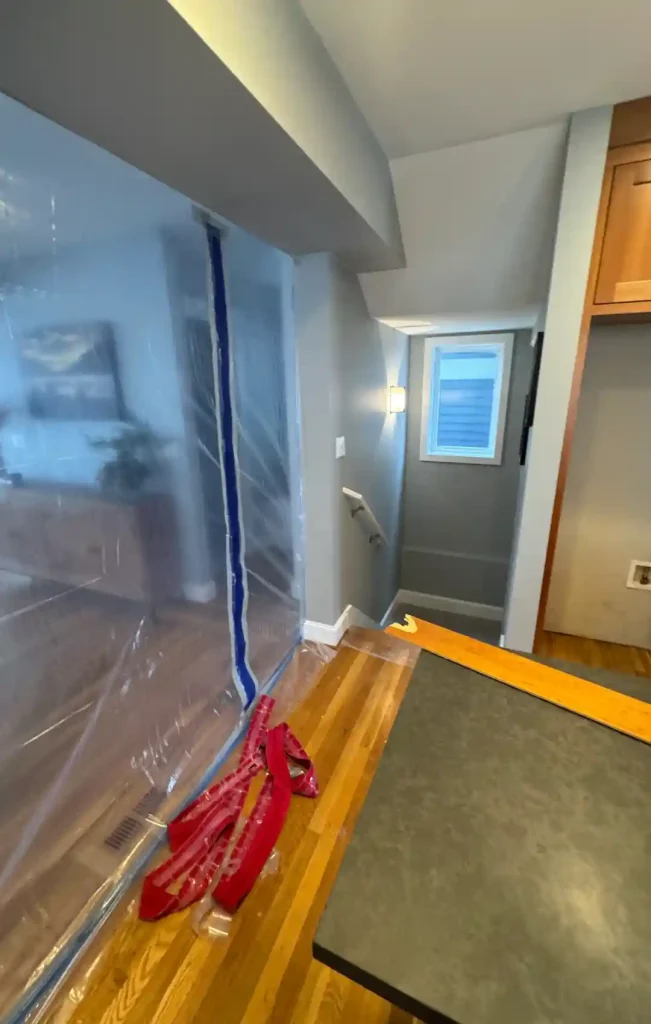
Comprehensive water mitigation addresses both visible and concealed damage. Each project is customized based on the water source, contamination level, affected materials, and duration of moisture presence. This tailored approach prevents incomplete drying and recurring issues.
Water Damage Restoration Seattle offers full-service solutions including water extraction, drying, dehumidification, moisture monitoring, sanitation, and detailed documentation. Our specialists create safe, dry, and restoration-ready conditions for homes and businesses throughout Seattle, WA.
Water Mitigation Services in Seattle, WA
Water mitigation services are designed to address the immediate consequences of water intrusion before restoration or repair work begins. These services encompass water extraction, drying, sanitation, moisture monitoring, and detailed documentation to prevent secondary damage and facilitate insurance claims.
Our team provides customized mitigation solutions for both residential and commercial properties in Seattle, focusing on rapid response, precise assessment, efficient drying, and transparent communication from initial inspection through final moisture verification. For those searching specifically for “water mitigation services near me, or water mitigation near me” we ensure prompt and professional assistance tailored to your property’s needs.
| Service | Best For | Primary Goal |
|---|---|---|
| Water extraction | Standing water | Remove water quickly |
| Structural drying | Wet walls, floors, and framing | Lower moisture levels |
| Sewage cleanup | Contaminated water | Sanitize affected areas |
| Moisture mapping | Hidden water damage | Locate trapped moisture |
| Dehumidification | High humidity | Reduce secondary damage |
Residential Water Mitigation for Seattle Homes
Water damage in residential properties can impact flooring, drywall, insulation, crawl spaces, cabinets, baseboards, and personal belongings. Our water mitigation services help homeowners stabilize affected areas promptly to prevent swelling, odors, mold growth, and structural deterioration.
In Seattle homes, water often accumulates behind walls, beneath hardwood floors, under cabinets, and within crawl spaces. Our team deploys fast-response mitigation systems and drying equipment, providing homeowners with practical guidance to protect their properties and facilitate recovery.
Common residential mitigation services include:
- Water extraction and removal
- Structural drying and dehumidification
- Moisture detection and monitoring
- Sewage cleanup and sanitation
- Crawl space moisture control
- Odor removal and antimicrobial treatment
Commercial Water Mitigation for Seattle Businesses
Commercial properties require comprehensive mitigation plans due to the potential impact on operations, safety, inventory, tenants, equipment, and customer access. Offices, retail spaces, warehouses, restaurants, apartment buildings, and professional suites often need rapid drying to minimize downtime and protect assets.
Our team collaborates with business owners, property managers, and facility personnel to deliver efficient water damage mitigation solutions. We document conditions, strategically place drying equipment, and implement measures to reduce disruption while safeguarding the building’s structural integrity.
| Commercial Mitigation Priority | Purpose |
|---|---|
| Rapid Water Extraction | Reduce operational downtime |
| Structural Drying | Protect building materials |
| Moisture Monitoring | Prevent hidden water damage |
| Sanitization Procedures | Maintain safe environments |
| Documentation Support | Assist with insurance claims |
Storm, Flood & Burst Pipe Mitigation Services
Severe storms, plumbing failures, and flooding can introduce significant volumes of water into properties within minutes. Professional mitigation services focus on containing the source, removing standing water, and drying affected materials to prevent extensive damage and costly restoration.
Given Seattle’s seasonal rain, roof leaks, drainage challenges, and storm-related moisture, prompt mitigation is vital to prevent minor leaks from escalating into major restoration projects. Engage professional water damage mitigation services to protect your property from further deterioration.
Common Causes of Water Damage Requiring Mitigation in Seattle
Water intrusion arises from various sources, each necessitating a tailored mitigation approach. Rapid identification of the source is crucial to minimize structural damage, reduce contamination risks, and prevent moisture from spreading into concealed areas.
Seattle properties frequently experience water damage from stormwater, plumbing failures, sewage backups, crawl space moisture, and sump pump malfunctions. Our team employs inspection tools and moisture mapping to develop effective drying plans prior to restoration.
| Cause | Common Damage | Urgency Level |
|---|---|---|
| Burst pipe | Saturated walls and floors | High |
| Storm flooding | Basement and crawl space water | High |
| Appliance leak | Flooring and cabinet damage | Medium to high |
| Sewage backup | Contamination and odor | Critical |
| Sump pump failure | Standing lower-level water | High |
Storm Flooding, Heavy Rain & Seattle’s Seasonal Weather Events
Seattle’s seasonal rainfall and storms can overwhelm drainage systems, allowing water to penetrate roofs, windows, basements, crawl spaces, and foundations. Prolonged moisture exposure weakens structural components and causes hidden damage behind walls and floors.
Property owners should avoid entering standing water when unsafe, relocate valuables away from affected areas, and shut off water sources if possible. Electrical hazards, ceiling leaks, and sewage contamination require professional handling to ensure safety.
Burst Pipes, Appliance Leaks & Plumbing Failures
Burst pipes and appliance malfunctions often release water into walls, ceilings, cabinets, and flooring systems. Common sources include washing machine supply lines, dishwashers, refrigerators, water heaters, toilets, and sink drains, all capable of causing sudden water damage. Professional mitigation services contain leaks and prevent moisture migration into hidden structural cavities. Water extraction and controlled drying are essential to minimize secondary damage and avoid costly repairs.
Basement Flooding, Crawl Space Moisture & Sump Pump Failure
Basements and crawl spaces are particularly vulnerable to standing water due to drainage issues, hydrostatic pressure, and sump pump failures. Excess moisture in these areas can cause wood rot, insulation damage, odors, and microbial growth. Prompt inspection is critical as moisture can remain concealed in framing, vapor barriers, insulation, and subfloor systems. Our team provides water removal, drying, and moisture control solutions tailored for these challenging spaces.
| Problem | Potential Risk | Mitigation Solution |
|---|---|---|
| Basement Flooding | Structural weakening | Extraction and drying |
| Crawl Space Moisture | Mold development | Dehumidification |
| Sump Pump Failure | Water accumulation | Water removal and repair |
| Foundation Seepage | Material deterioration | Moisture control systems |
Our Water Mitigation Process in Seattle
Our water mitigation process is structured to halt the progression of damage, remove water, dry out affected materials, and document each recovery phase. This systematic approach reduces repair costs and enhances restoration outcomes for Seattle properties.
Robinhood Restoration adheres to industry-standard mitigation protocols for both residential and commercial projects. Each case is assessed based on moisture levels, affected materials, contamination risks, and drying requirements to develop an effective stabilization plan. Our technicians hold water mitigation certification, ensuring expert handling of every step.
Step 1: Inspection, Moisture Mapping & Damage Assessment
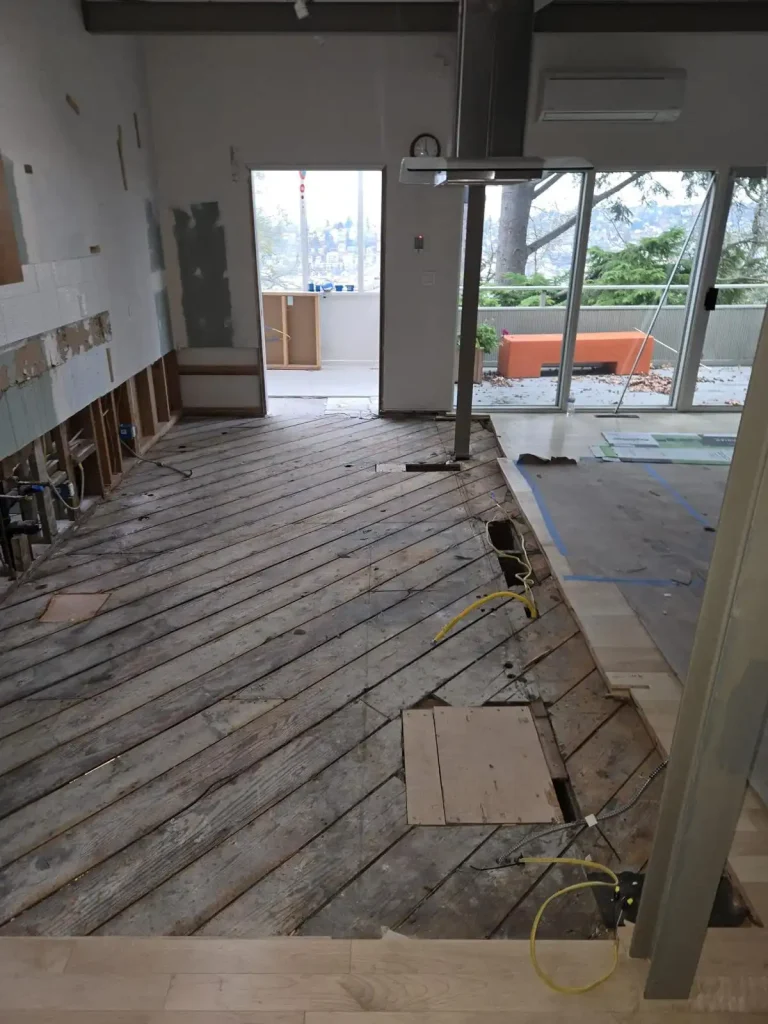
The initial phase involves identifying affected areas and measuring moisture content using professional detection equipment. Moisture mapping uncovers hidden water within walls, ceilings, insulation, flooring, and structural cavities, enabling precise targeting of drying efforts. Accurate assessments facilitate tailored drying plans and support insurance documentation by recording visible damage, moisture readings, affected materials, and safety considerations.
Step 2: Water Extraction & Source Containment
Rapid removal of standing water is critical to prevent material saturation and structural degradation. Commercial extractors and high-volume pumps efficiently remove water from carpets, hard floors, crawl spaces, and other surfaces. Source containment isolates wet areas, addresses active leaks when feasible, and establishes controlled drying zones to prevent moisture migration during mitigation procedures.
Step 3: Structural Drying, Dehumidification & Air Movement
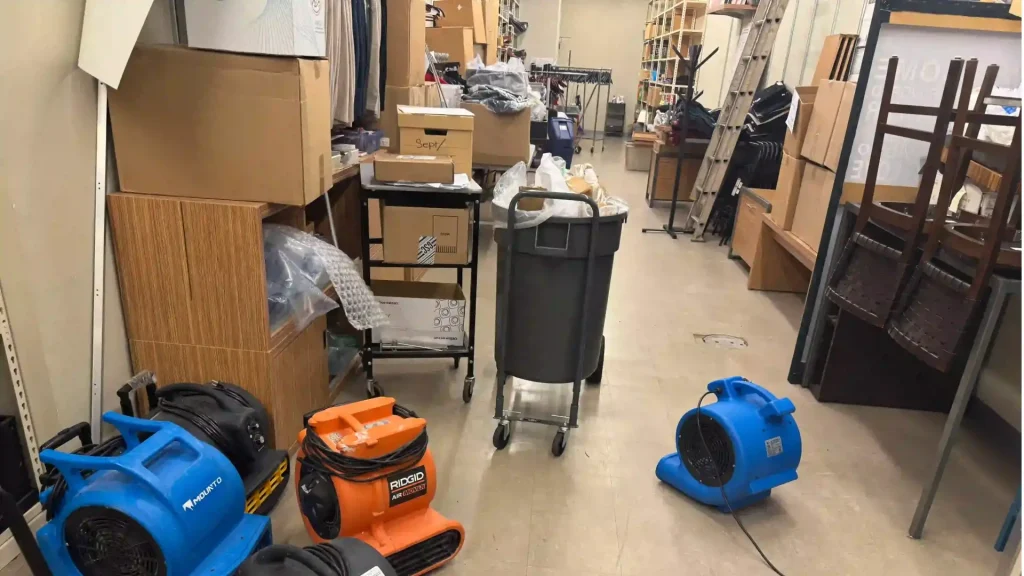
Following extraction, drying begins with industrial dehumidifiers, air movers, and moisture-monitoring tools. These devices reduce humidity and extract moisture from affected surfaces and building materials, promoting even drying. Our team employs advanced water mitigation equipment, adjusting placement based on moisture readings, humidity levels, airflow requirements, and drying progress to optimize efficiency and prevent mold growth.
| Equipment | Purpose |
|---|---|
| Air movers | Push air across wet surfaces |
| Dehumidifiers | Remove moisture from the air |
| Moisture meters | Track drying progress |
| HEPA filtration | Support cleaner air during cleanup |
| Cavity drying tools | Dry hidden wall or floor spaces |
Step 4: Monitoring, Documentation & Clearance Testing
Continuous monitoring verifies that affected materials are drying effectively before repair or reconstruction begins. Technicians document drying progress and adjust equipment placement as needed to address areas requiring additional attention. Final moisture verification confirms property stabilization. Our team provides professional water damage restoration and mitigation services in Seattle, ensuring efficient recovery and clear guidance for subsequent steps.
Water Mitigation & Mold Prevention in Seattle
Preventing mold growth is a primary objective of rapid water mitigation. Excess moisture trapped in drywall, framing, insulation, flooring, or crawl spaces creates an environment conducive to microbial proliferation and indoor air quality issues. Our mitigation procedures focus on swift moisture reduction, sanitation, and structural protection. Fast drying, proper ventilation, and moisture verification are integral to long-term damage prevention and maintaining healthy indoor environments.
How Fast Mitigation Stops Mold Growth Within 24-48 Hours
Mold risk escalates when damp materials remain wet for extended periods. Rapid water extraction, dehumidification, and structural drying significantly reduce moisture conditions that facilitate mold development. Our mitigation services include hidden moisture detection to identify damp areas not visible on the surface, preventing long-term contamination and safeguarding building materials after flooding, leaks, or plumbing failures.
Antimicrobial Treatment & Air Quality Protection After Mitigation
Antimicrobial treatments are applied following sewage backups, flooding, or prolonged water exposure when sanitation is necessary. Air scrubbers and filtration systems may also be recommended during cleanup to address odors, demolition dust, or contamination affecting indoor air quality. These measures promote cleaner indoor environments during drying. Our team evaluates each situation to determine the appropriate use of antimicrobial treatment, odor control, or air filtration to enhance safety and comfort.
| Service | Purpose |
|---|---|
| Antimicrobial Treatment | Reduce microbial contamination |
| HEPA Air Filtration | Improve indoor air quality |
| Odor Removal | Eliminate moisture-related odors |
| Surface Sanitization | Support cleaner environments |
Water Damage Restoration Services in Seattle
Secure Your Home’s Foundation
Water Mitigation vs. Remediation: What’s the Difference?
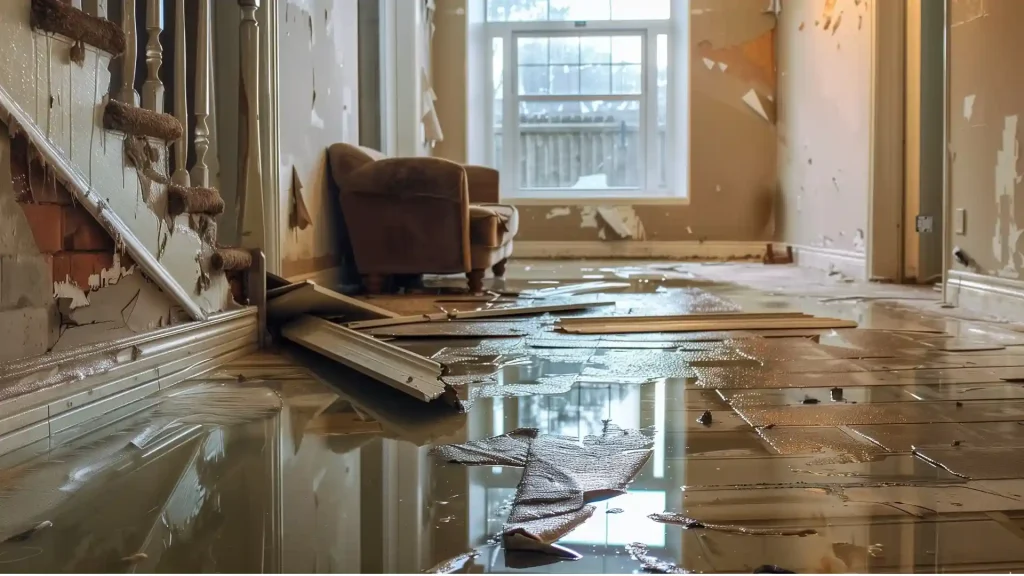
Water mitigation and remediation are distinct yet complementary services in the water damage recovery process. Mitigation focuses on halting further damage immediately through water removal, drying, moisture control, and stabilization. Remediation addresses contamination, removal of damaged materials, mold concerns, and preparation for repairs once the property is stabilized. Understanding the nuances of water mitigation vs remediation helps property owners make informed decisions about their recovery needs.
Understanding these differences enables property owners to select appropriate services based on the water source, severity, and condition of the affected area. Our team provides thorough inspections and clear guidance on whether mitigation, remediation, restoration, or a combination is necessary.
Key Differences Between Water Mitigation and Remediation
Water mitigation involves extraction, drying, moisture control, source containment, and stabilization to prevent additional damage. Remediation includes removing contaminated materials, cleaning affected surfaces, addressing mold issues, and preparing the property for reconstruction or repair. Both services are critical following significant water damage. The appropriate approach depends on water category, moisture levels, affected materials, and contamination or mold presence.
| Water Mitigation | Remediation |
|---|---|
| Stops additional damage | Restores damaged materials |
| Removes standing water | Addresses contamination |
| Dries structural materials | Repairs affected areas |
| Reduces mold risk | Supports long-term recovery |
Which Service Does Your Seattle Property Need?
Properties experiencing active water intrusion typically require emergency water mitigation first. If contamination, mold, sewage, or damaged materials are present, remediation services may be necessary following the drying phase. Professional inspections assess moisture levels, contamination categories, and structural conditions to determine the appropriate course of action. For expert evaluation and recommendations, contact us at (206) 309-2455.
Advanced Water Mitigation Equipment & Technology
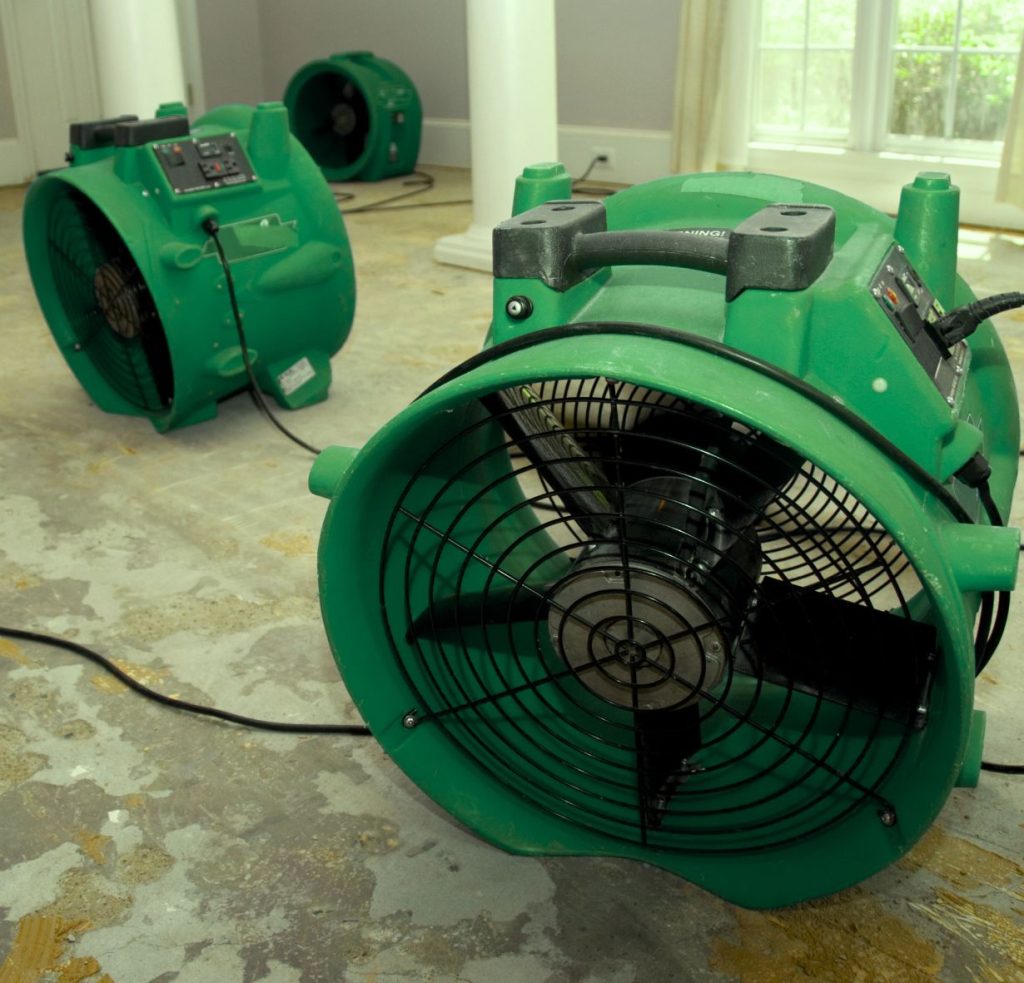
Effective water mitigation relies on specialized equipment designed to extract water, dry materials, and detect hidden moisture. Utilizing advanced technology enhances accuracy, reduces drying time, and minimizes unnecessary demolition. Robinhood Restoration employs commercial-grade tools for water extraction, structural drying, sanitation, and documentation, enabling informed decision-making throughout the recovery process for homeowners and businesses.
Industrial Dehumidifiers, Air Movers & High-Volume Extractors
Industrial drying systems remove moisture from the air and affected surfaces. Air movers accelerate evaporation, while dehumidifiers lower humidity levels to facilitate even drying of walls, floors, and framing. High-volume extractors efficiently remove standing water from carpets, flooring, and other materials, limiting the spread of moisture and expediting property stabilization.
Thermal Imaging & Moisture Meters for Hidden Damage Detection
Thermal imaging cameras and moisture meters enable technicians to locate trapped moisture behind walls, beneath flooring, and inside ceilings. Hidden moisture can continue causing damage even after visible water is removed. Accurate detection supports targeted drying plans and prevents overlooked moisture pockets. These tools also enhance documentation for insurance claims and restoration planning.
Injectidry Systems for Hardwood Floor & Wall Cavity Drying
Injectidry systems provide controlled airflow to dry hardwood flooring, wall cavities, and other concealed spaces. This technique reduces the need for demolition when materials remain salvageable. These systems are particularly effective for preserving hardwood floors and drying hard-to-reach areas. Our team utilizes specialty drying methods to protect materials and minimize reconstruction requirements.
IICRC Certification & Water Mitigation Standards
Professional water mitigation requires adherence to drying standards, water category classifications, contamination risk management, equipment setup, and thorough documentation. Following IICRC-aligned procedures ensures water extraction, drying, sanitation, and monitoring are performed correctly.
Certification confirms that technicians possess expertise in structural drying, moisture control, and safe cleanup practices. Robinhood Restoration maintains rigorous training and compliance standards to deliver reliable service and superior restoration outcomes.
Why IICRC Certification Matters for Seattle Property Owners
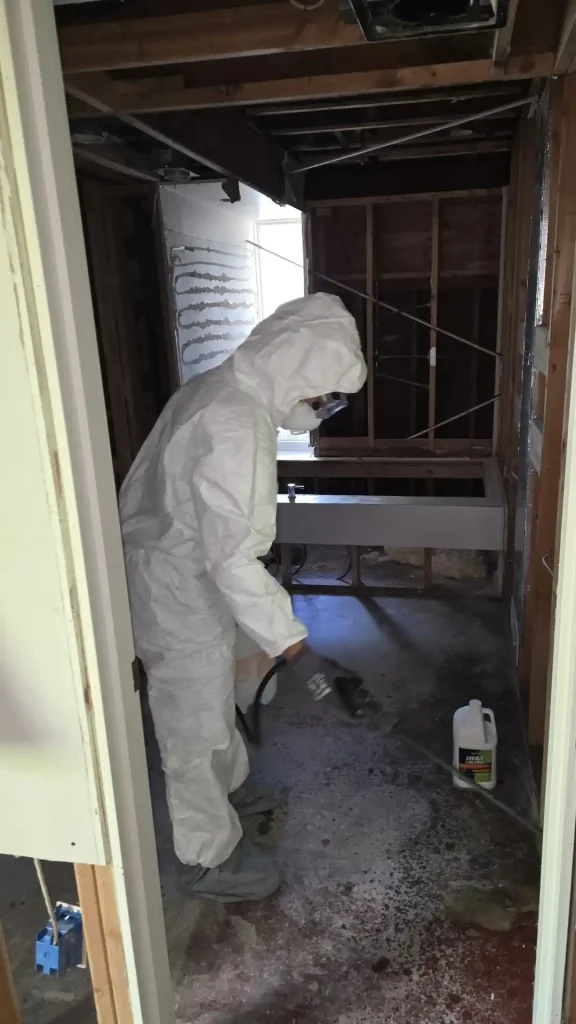
IICRC certification demonstrates that technicians are trained in professional restoration methods and structural drying standards. Certified specialists understand how to safely manage clean water, gray water, and contaminated water losses. Property owners benefit from technicians who rely on moisture readings, drying goals, and recognized methodologies rather than guesswork. This approach fosters clear communication, safer service, and comprehensive documentation throughout the project.
Our Team’s Certifications, Training & Compliance Standards
Our team maintains ongoing professional training focused on safe and effective mitigation. Licensed and insured technicians follow established restoration practices designed to protect properties and instill customer confidence. We emphasize communication, documentation, and meticulous equipment monitoring to ensure property owners understand the process, its importance, and subsequent steps.
- Robinhood Restoration’s training encompasses:
- Restoration documentation standards
- Structural drying procedures
- Sewage cleanup, safety, and sanitation
- Moisture detection and monitoring
- Water extraction best practices
- Mold prevention procedures
Water Mitigation Cost in Seattle, WA
Water mitigation costs vary based on the affected area’s size, water source, materials involved, and required drying duration. Prompt response often reduces expenses by limiting moisture spread and preventing extensive damage. Our team conducts detailed inspections and provides transparent recommendations tailored to the property’s actual conditions. The objective is to stabilize damage efficiently while avoiding unnecessary work.
What Factors Affect the Cost of Water Mitigation?
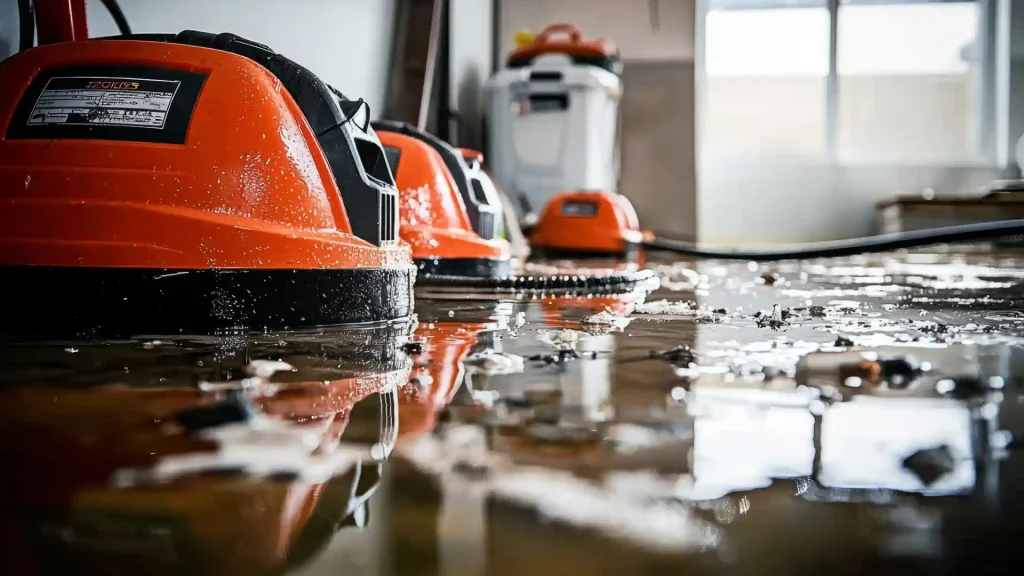
Pricing is influenced by variables such as water category, affected square footage, equipment needs, sanitation requirements, and potential demolition. Clean water from a burst supply line is generally less complex to address than sewage or floodwater contamination. Searches like “absolute water damage and mitigation” often reflect pricing concerns, but actual costs depend on moisture levels, structural conditions, and the severity of contamination. On-site inspections provide the most accurate estimates.
| Cost Factor | Impact on Mitigation |
|---|---|
| Water Category | Clean, gray, or contaminated water |
| Size of Affected Area | Larger areas require more equipment |
| Drying Time | Extended drying increases labor |
| Material Damage | Flooring and drywall replacement |
| Mold Presence | Additional remediation may be needed |
Average Water Mitigation Costs for Seattle Properties
Minor mitigation projects involving small clean-water leaks typically cost less than major flooding events requiring extensive drying and sanitation. Commercial properties may incur higher costs due to larger equipment setups, increased documentation, and prolonged monitoring.
Accurate estimates result from professional moisture inspections evaluating affected materials, moisture readings, safety concerns, and drying requirements before recommending mitigation plans.
Does Insurance Cover Water Mitigation in Seattle?
Many insurance policies cover sudden and accidental water damage mitigation services, including burst pipes, appliance failures, and certain plumbing incidents. Coverage varies based on damage source, policy terms, maintenance history, and claim timing. Gradual leaks, long-term seepage, and unresolved maintenance issues are often excluded. Our team provides moisture readings, photographs, drying logs, and documentation to help property owners communicate effectively with insurance providers. For professional water mitigation assistance and insurance documentation support, call (206) 309-2455.
Seattle’s Trusted Water Mitigation Specialists
Effective water mitigation requires fast response, precise drying, and professional cleanup. Property owners need specialists skilled in emergency extraction, contamination control, moisture mapping, and structural protection to minimize damage and facilitate recovery.
Robinhood Restoration supports homeowners and businesses in Seattle recovering from flooding, burst pipes, sewage backups, appliance leaks, and storm-related damage. Our team delivers responsive service, transparent communication, and practical solutions tailored to diverse property types.
| Why Seattle Property Owners Call Robinhood Restoration | Benefit |
|---|---|
| 24/7 emergency response | Faster damage control |
| Licensed and insured technicians | Safer service experience |
| IICRC-aligned drying practices | Industry-standard mitigation |
| Commercial-grade equipment | Faster moisture removal |
| Moisture documentation | Better insurance support |
| Residential and commercial service | One team for many property types |
IICRC-Certified Technicians & Licensed Seattle Contractors
Our experienced water mitigation professionals employ industry-standard restoration methods to ensure efficient drying and structural protection. Licensed contractors and trained technicians manage moisture intrusion safely while minimizing disruption to occupants. Homeowners and businesses searching for “water mitigation company near me,” “water mitigation companies near me,” or trusted water mitigation contractors benefit from a team prioritizing rapid response, moisture accuracy, and long-term protection.
Contact Our Seattle Water Mitigation Team Today
Water damage can escalate rapidly when moisture remains trapped within structural materials. Immediate mitigation services reduce property damage, prevent mold growth, and support accelerated restoration timelines.
Robinhood Restoration offers residential and commercial water mitigation backed by over 20 years of restoration experience, licensed professionals, and advanced drying techniques. Request professional water mitigation service in Seattle or call (206) 309-2455 for prompt emergency assistance.
For properties requiring more than mitigation, we also provide water damage restoration, water removal, sewage backup cleanup, and fire damage restoration. These integrated services stabilize properties, clean affected areas, and facilitate comprehensive recovery after emergencies.